News
Using part of your home as a place of business: Tricks and Traps
October 6, 2026
Plenty of people run a business from home. If you do, there are important tax consequences attached to using part of your home as a place of “business”.
And for these tax consequences (both good and bad) to arise the Tax Office (and Courts) have taken the view that the part of your home used for this purpose must be “separate” from the rest and have the “character” of being a place of business.
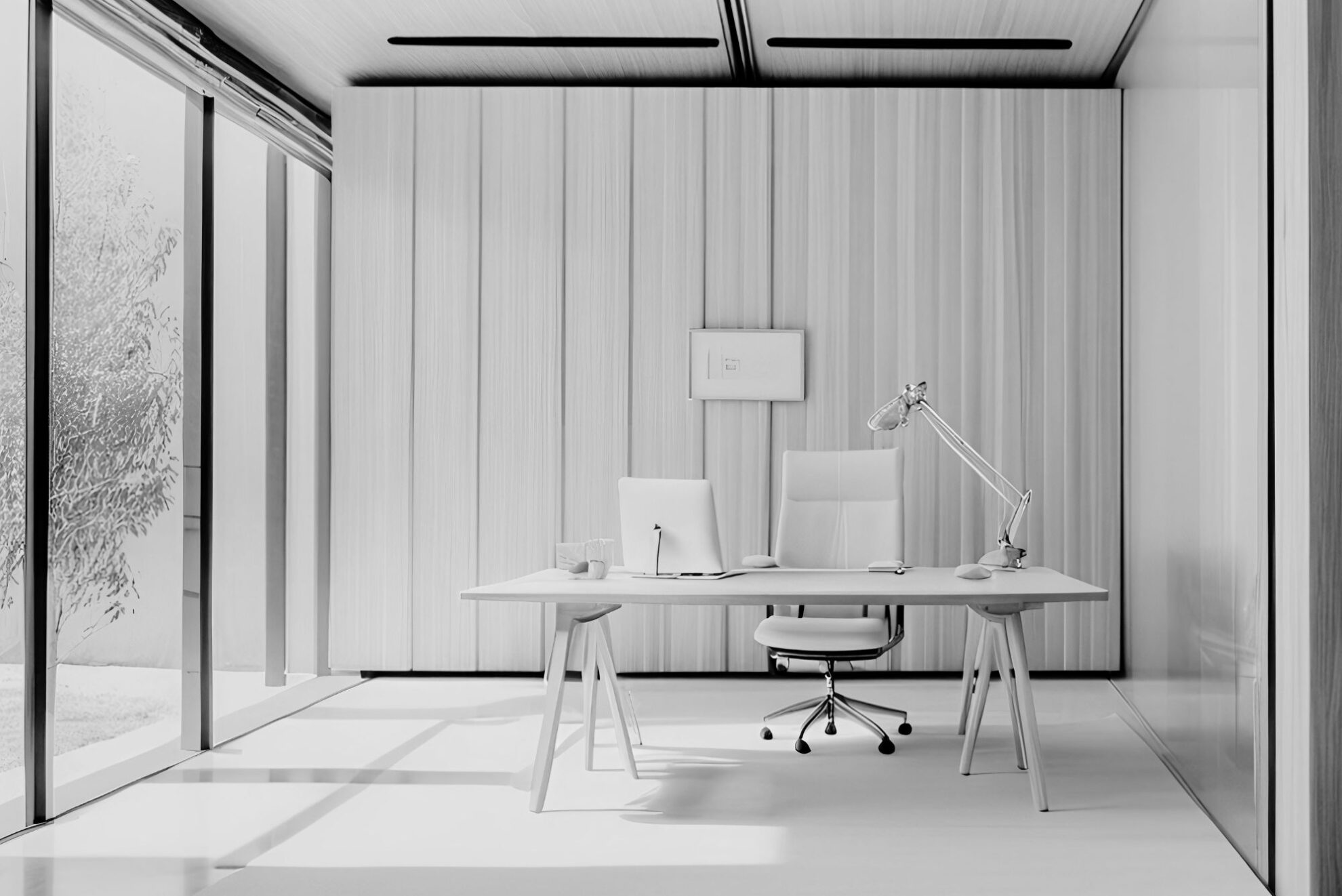
For example, if it is a professional or consulting business, then the office must have the character of a genuine commercial office – and not just be a spare room with a desk and a computer.
That, at least, has been the traditional approach to the matter. But in the modern high-tech world perhaps this “formality” should no longer be strictly the case.
And perhaps you could genuinely run your business with an iPhone and a laptop from anywhere in the home (or even from a chairlift in the snow fields as this correspondent once witnessed!)
But putting aside the degree of “formality” required to qualify for using your home as a place of business, here are some of the important consequences of doing so.
Not only are the costs of running the business deductible, but the costs of owning that part of the home used for the business are deductible too – things like mortgage interest, council rates, insurance and land tax.
You may even find yourself in a “negative gearing” situation in relation to the assessable business income you derive.
So that’s the big advantage.
But here is the possible disadvantage.
Because you have used your home to produce income you will lose your CGT exemption on a proportionate basis to the extent that you have used part of your home for this purpose.
And you won’t be able to preserve the exemption for a home by using the absence concession.
However, that peculiar rule about using your home to produce income “for the first time” may come into play to give you a market value cost by which to calculate any partial CGT liability – and this would generally work in your favour if applicable.
Furthermore, you may even be able to use the CGT small business concessions to eliminate any gain entirely or to reduce the amount of the assessable gain or roll it over.
But a word of warning here.
The ATO and the Administrative Review Tribunal have taken a strict view of what it means for an asset to be a business (or active) asset that is entitled to the concessions.
And, in particular, that a significant part of the asset must be so used. And in this case the asset is the whole home! And note the ATO has published edited versions of private rulings, which other taxpayers cannot rely on, and some of which suggest that a substantial part of the home must be so used!
Now, that could be a big hurdle to pass, if you were using only a small part of the home as a business office.
The other trap is that to use the “15-year” small business exemption to eliminate the whole gain you must be 55 or over, or permanently incapacitated, and the sale must happen in connection with your retirement.
And this will not be the case if you wound up your business some years before and were just selling your home for personal reasons.
So, there are lots of tricks and traps associated with using your home as a place of business.
It is definitely a matter on which professional advice is needed. So, make an appointment at any time to discuss the matter.
